
The struggles and unappreciated contributions of national players
-
Media Baaji

- Mon, 20 October 2025

Preface
The words of honor, identity and pride of the nation are not limited to the pages of history. Even today, they are born again and again in the playground. When a player sweats on the field carrying the nation's flag on his shoulder, when his eyes tear up to the tune of the national anthem, then a country is speaking there - Nepal is speaking there.
But the irony is, the glory of that moment fades away and the media headlines become old. And the same player, who made the country known, gradually fades away. Even today, hundreds of national athletes in Nepal are struggling in difficult times of life — unemployed, untreated, helpless. This is not a pride for the country, it is a silent failure of the state.
1. The Journey of National Players: From Glory to Struggle
Although the life of a national player looks bright from the outside, inside it is full of countless sacrifices and pains. Waking up early in the morning to practice, injuries, discipline, mental pressure — all these are their daily routine. After winning a medal, there is talk in the media for some time, people applaud, photos are taken. But that sound of applause does not last long. As the medal's luster fades, the rigors of real life begin. No job, no source of income, and no match for the years spent in sports life. Some players are forced to work to support their families, some open shops, some go for foreign employment. The legs that ran on the international arena carrying the national flag are today struggling to pay the rent of their houses.
2. Policies and systems: Plans limited to paper only
Many sports policies have been formulated in Nepal, but implementation is rare. National sports councils, ministries, and sports associations announce programs for "sports development," but these are often limited to photo sessions and speeches. Players have a short life — but after that short life there is no solid plan for what their future holds. Players in developed countries have a unified Post Career Support System —
It provides them with opportunities such as retraining, employment, health insurance, and education. But after the end of the sports life in Nepal, the players disappear from the eyes of the state. Their names live only in files, not in life.
3. Vision and psychology of society
Society still makes the mistake of understanding sports only as 'entertainment'. We are proud when we win medals, but we don't understand the tough life of athletes.
Internationally, sports are associated with a country's power, identity and economy, but in Nepal, sports are considered as a 'hobby' or 'college extracurricular activity'. So the parents still tell the child that there is no future in sports. Because of this thinking, many talented children are discouraged in the beginning.
4. A lesson hidden in the athlete's struggles
But the players have learned from these tough situations too —
Discipline, patience, self-strength and the mentality of not giving up. Sports teaches that "Losing is not failure, it is learning and there is no miracle without hard work."
This thinking has made the players successful in other areas of life as well. Many players have now emerged as coaches, social workers, teachers and entrepreneurs. They have shown that sport is not just about winning on the field — it is a lifelong discipline.
5. Government and Private Sector Responsibilities
Now it is necessary for the state and the private sector to consider sports as one of the pillars of nation building.
Some concrete initiatives can be taken for this:
1. Post Career Plan:
Permanent programs should be implemented for employment, education and health protection of athletes after their playing careers.
2. Sports Pension Scheme:
Lifetime monthly pension scheme should be started for athletes who win medals at international level.
3. Education and Training:
Children of players should be given education scholarships and professional training opportunities for players.
4. Corporate Sponsorship and Tax Incentive:
Tax breaks and incentives should be given to private companies investing in sports.
5. National Sports Identity Card:
Which should provide special facilities in health care, transportation, and various public services.
6. Honoring old players:
Sportsmen who have made the country known in the past — their contribution should be formally remembered with a national honour.
6. Sports, Education and Entrepreneurship: The Three Pillars
Sports, studies and business — all these three things are oriented towards one goal: self-reliance and nation-building. Sports give self-strength and discipline, education broadens thinking and outlook, and entrepreneurship creates self-reliance and employment.
If there is coordination between these three sectors, the youth of Nepal can become a power to provide jobs and not just job seekers.
So when the nation invests in sports, it should be understood that it is not only for medals but for the future of the country.
7. References to autobiography and examples
I have also learned from sports life experience — sports taught me to think, not just medals. Mornings of practice taught discipline, defeats taught humility,
And injury taught tenacity.
This experience has inspired me today in entrepreneurship, leadership and social responsibility. I see sports not just as a game, but as a philosophy of life.
Many players, like me, are still on their own path with new dreams — but the system to support them is still weak. We must all work together to strengthen that system.
8. National players: Not pride, heritage
National players are the heritage of the country. Their sweat and struggle upholds the honor of the nation. But when a nation forgets its heritage, the soul of that nation is weakened.
Therefore, the honor of the player is only formal a
Express


Related News
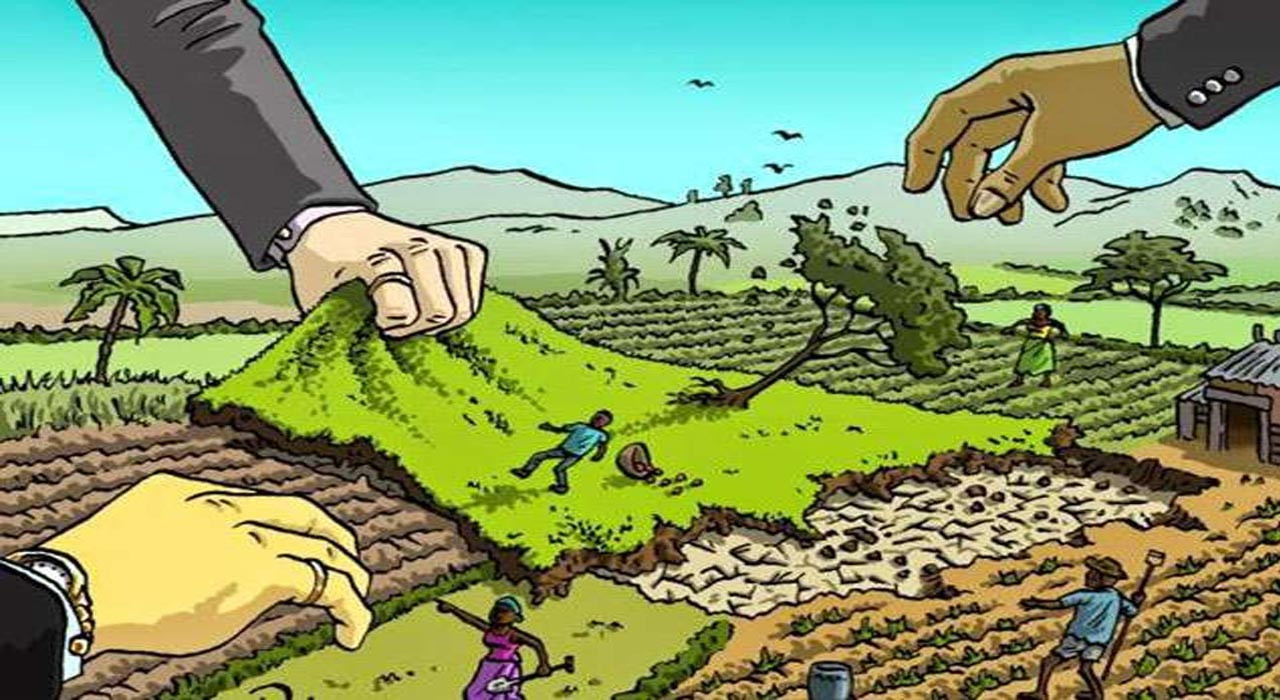
Question to the Land Minister: When Will Lease Agreements Granted at Throwaway Prices Be Revoked and Encroached Government Land Be Recovered?
By Rusha Thapa
Bhaktapur: During the tenure of previous governments, a large amount of government land was either registered in the names of private individuals or illegally occupied. Public land, Guthi land, unregistered public land, land e...

Everyone should unite in the preservation of Lumbini's archaeological heritage: Vice President Lama
Mediabaji.com Kathmandu Ashwin 30. Lumbini. Vice President of Lumbini Development Fund. Lharkyal Lama (Khenpo Chime Tshiring) has said that everyone should work together to protect all the archaeolog...
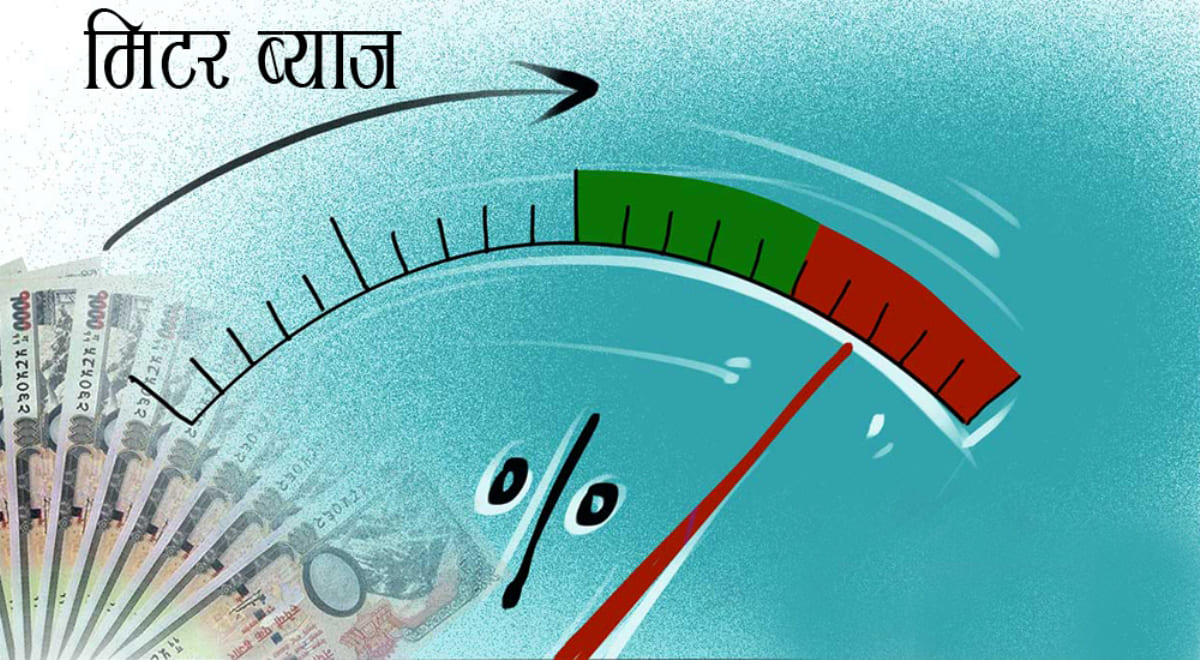
Loan Sharks Thrive Near Nepal's Power Center While Authorities Look Away
By Anusha Thapa_____
Bhaktapur, Nepal — Despite government claims that literacy and living standards have improved, thousands of Nepalis continue to fall victim to illegal loan sharks charging exorbitant interest rates. Critics argue...

Mother! Son, people never cry, right?
Suddenly, Baba did not feel well today. Yesterday, on the 15th of June, because he came to the field very wet, today Baba has a fever and is also coughing. I am the eldest son of the house, all the responsibilities are on my shoulders. I am the re...
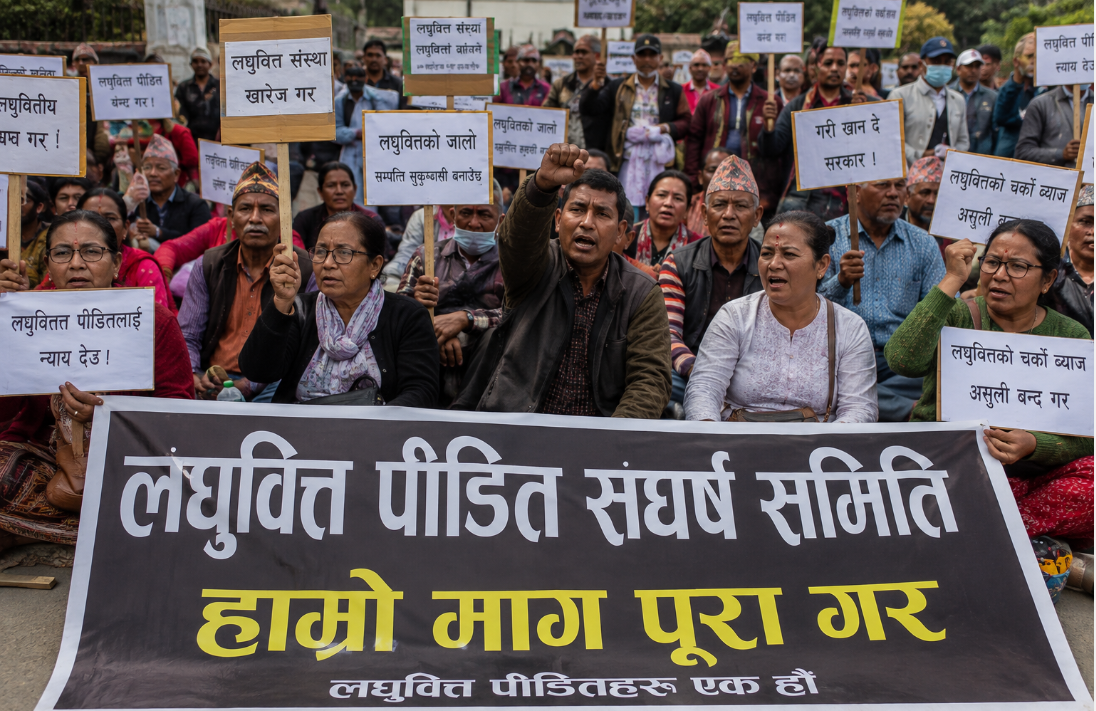
Financial Victims Have Been on the Streets for Months, While the Government Is Focused on Durga Prasai
Rusha Thapa
Bhaktapur. The protest of microfinance victims is still ongoing. For months, they have been staging sit-ins at the National Human Rights Commission and other government bodies, demanding justice. Their suffering has become unbear...

Political interference: The main obstacle to sports development
© Madan Singh Bhatt
Sport is the creation of human life, where there is dialogue between body and soul.
Sports is not just about sweat, it is about willpower, discipline and self-respect.
But whe...