
Government Employees Enjoy Benefits While the State Struggles, Public Faces Growing Financial Despair
-
Media Baaji

- Mon, 27 July 2026

By Rusha Thapa______
Bhaktapur_ The Government of Nepal continues to provide monthly pensions to retired civil servants, with payments typically deposited into beneficiaries' bank accounts before the 10th of each month. Depending on their former position, retired employees receive pensions ranging from NPR 25,000 to more than NPR 100,000. Many invest these funds in banks, businesses, or other financial ventures.
According to the article, more than 600,000 retired government employees receive pensions. In addition to monthly payments, they are entitled to Dashain festival advances and free medical treatment for themselves and their families.
The article argues that many government employees accumulate significant wealth during their years in office through salaries, allowances, and, in some cases, alleged corruption and commissions from public procurement and other government activities. It claims that many officials retire with enough assets to support multiple generations while continuing to receive tax-free pensions from the government.
The author further argues that imposing taxes on pension payments could generate billions of rupees in additional government revenue every month and help reduce pressure on the national treasury.
The article also states that some employees who joined government service decades ago on salaries as low as NPR 100 per month are now receiving monthly pensions of NPR 30,000 to NPR 40,000. Many reportedly own expensive homes in urban areas, drive luxury vehicles, educate their children in costly private schools, and send them abroad for higher education.
According to the article, retired employees also benefit from health insurance, while many households receive multiple forms of government assistance, such as pensions and senior citizen allowances. The author argues that repeated salary increases for civil servants and elected representatives have placed an increasing financial burden on the state.
The article also questions the sustainability of Nepal's expanding social security programs. It states that around 4.2 million people receive various forms of social security allowances, including benefits for senior citizens, single women, persons with disabilities, and disadvantaged communities. The author argues that taxing these allowances could reduce government spending and improve fiscal sustainability.
The article claims that Nepal's financial condition has weakened due to declining revenue collection and growing dependence on foreign loans and grants. It also notes that salaries of government employees and elected representatives increased by 21 percent in the current fiscal year, while additional allowances remain unchanged.
According to the article, economic slowdown has affected sectors including real estate, automobiles, stock markets, gold trading, and other businesses. It argues that financial losses, debt burdens, and unemployment have contributed to a rise in suicides and growing public hardship, while the government continues to prioritize spending on its own institutions.
The author also criticizes political leadership, claiming that politicians have transformed public service into a means of personal benefit through generous salaries, allowances, and security privileges. The article argues that previous generations of public representatives served with far fewer benefits than those available today.
The article further expresses concern about Nepal's placement on the Financial Action Task Force (FATF) grey list, warning that failure to address international concerns could have serious consequences for foreign investment, international financial assistance, overseas employment, and education opportunities.
In conclusion, the author argues that Nepal is facing a broader crisis of governance, accountability, and economic responsibility. The article calls for greater transparency, fiscal discipline, and policies that prioritize productive economic growth over expanding government expenditure.
Note: The claims and opinions presented above reflect the views expressed in the original opinion article by the author and should not be interpreted as independently verified facts.
Express




Related News
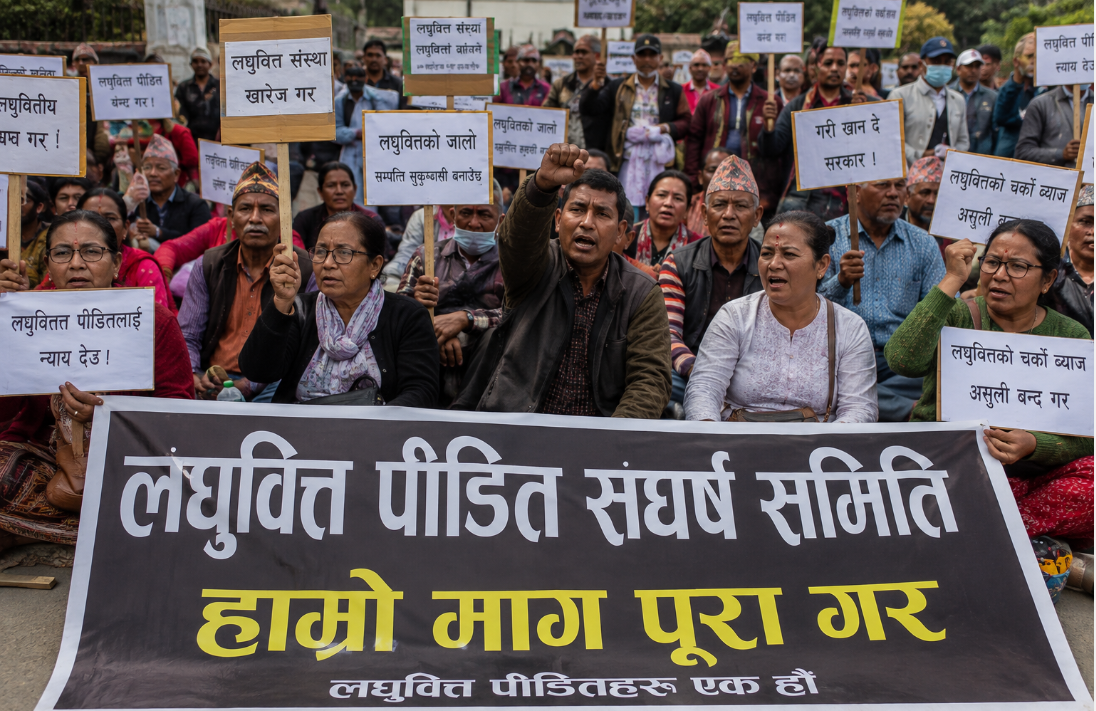
Financial Victims Have Been on the Streets for Months, While the Government Is Focused on Durga Prasai
Rusha Thapa
Bhaktapur. The protest of microfinance victims is still ongoing. For months, they have been staging sit-ins at the National Human Rights Commission and other government bodies, demanding justice. Their suffering has become unbear...
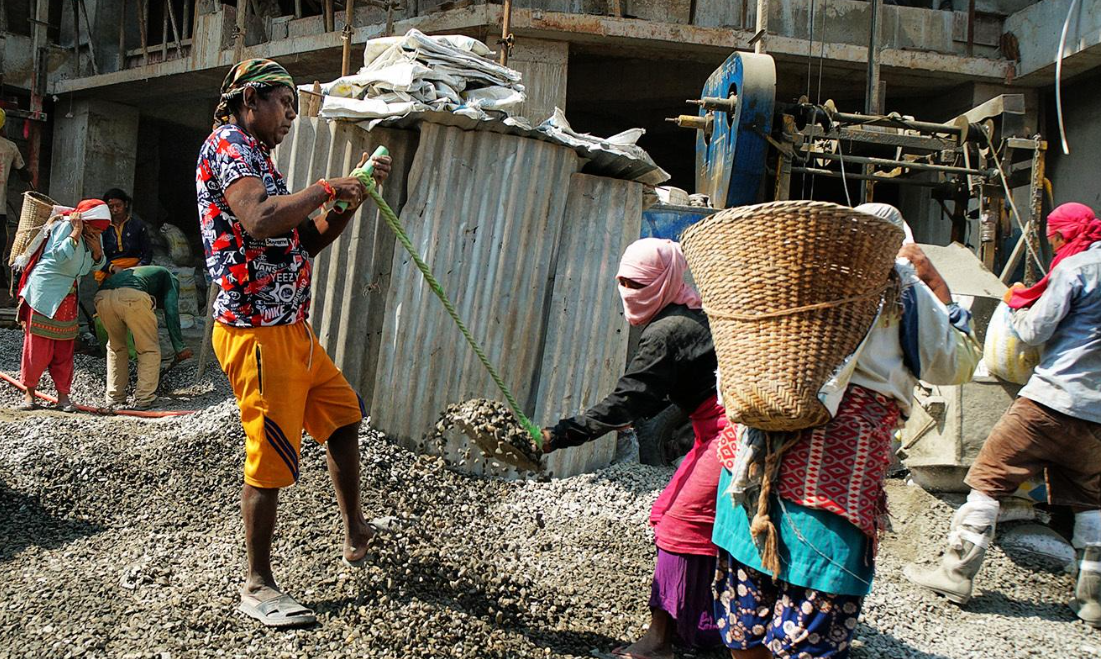
Government Employees and Elected Representatives Get Benefits Galore, While Private-Sector Workers Are Left Struggling
Anusa Thapa
Bhaktapur: The government has set the minimum monthly wage for private-sector workers at Rs. 21,500. According to government regulations, organ...

Political interference: The main obstacle to sports development
© Madan Singh Bhatt
Sport is the creation of human life, where there is dialogue between body and soul.
Sports is not just about sweat, it is about willpower, discipline and self-respect.
But whe...
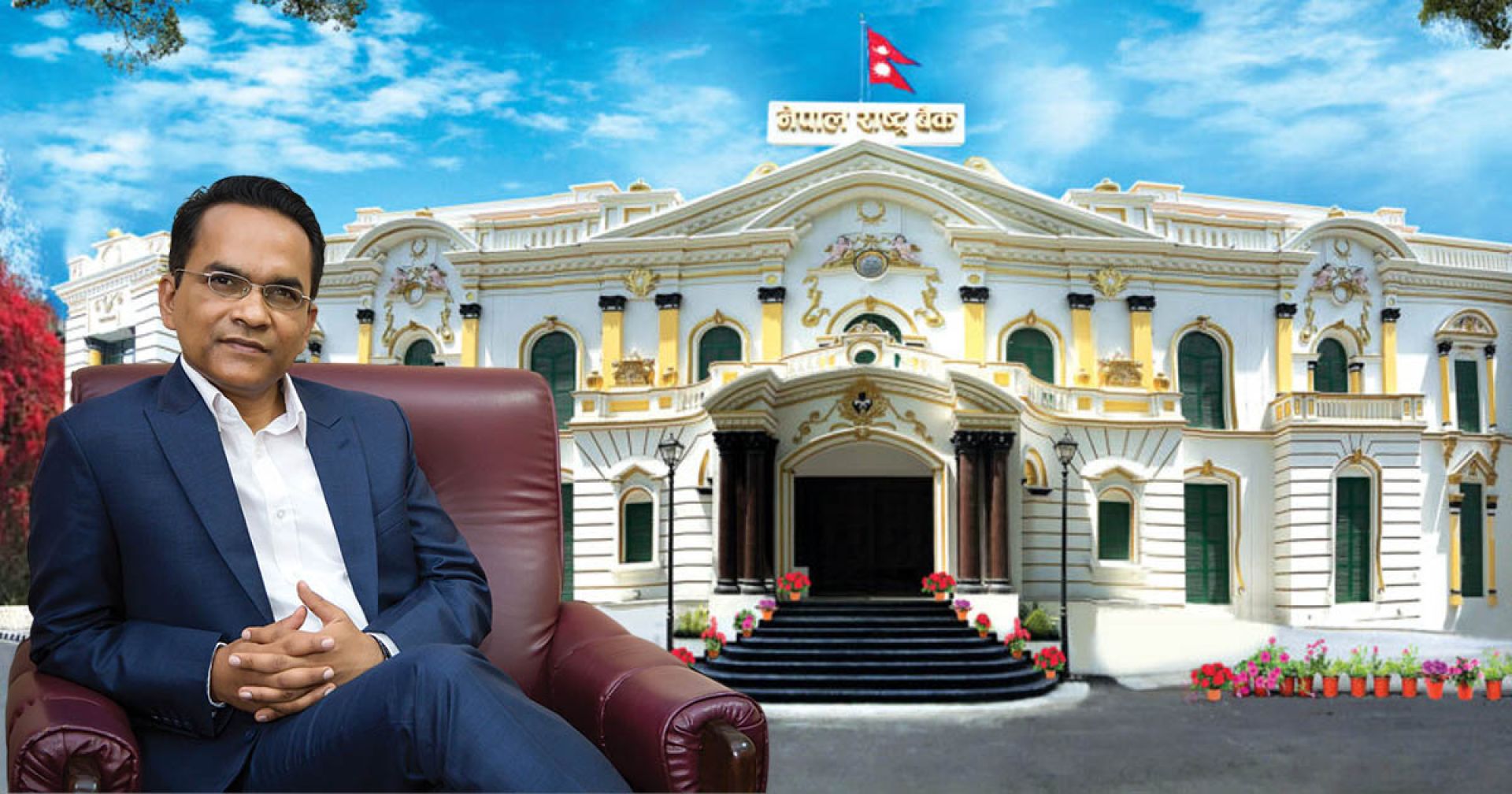
Two Laws Under One Government: Banks Can Charge Any Interest They Want, Individuals Face Jail
By Anusha Thapa
One government, but two different laws. The issue is interest rates. The government allows banks and financial institutions to determine their own interest rates. Banks, finance companies, cooperatives, and micr...

Government Returns Deposits to Cooperative Victims While Ignoring the Source of Funds, Opinion Article Claims
By Anusha Thapa ____
Bhaktapur . Nepal's cooperative sector has been facing a prolonged crisis for the past five years, with depositors reporting losses ranging from NPR 10,000 to as much as NPR 450 million in individual cases....

Health Insurance in Nepal: When the Wealthy Benefit, the Poor Are Left Behind
Rusha Thapa
Bhaktapur, Nepal — Illness has become a common reality in almost every household. Diseases such as gastritis, diabetes, and hypertension are now widespread, while more serious conditions like cancer, kidney disease, heart d...