
Rent, Water, Electricity, Garbage, and Parking: Landlords Overcharging Tenants as All Three Levels of Government Avoid Setting Fee Standards
-
Media Baaji

- Fri, 24 July 2026
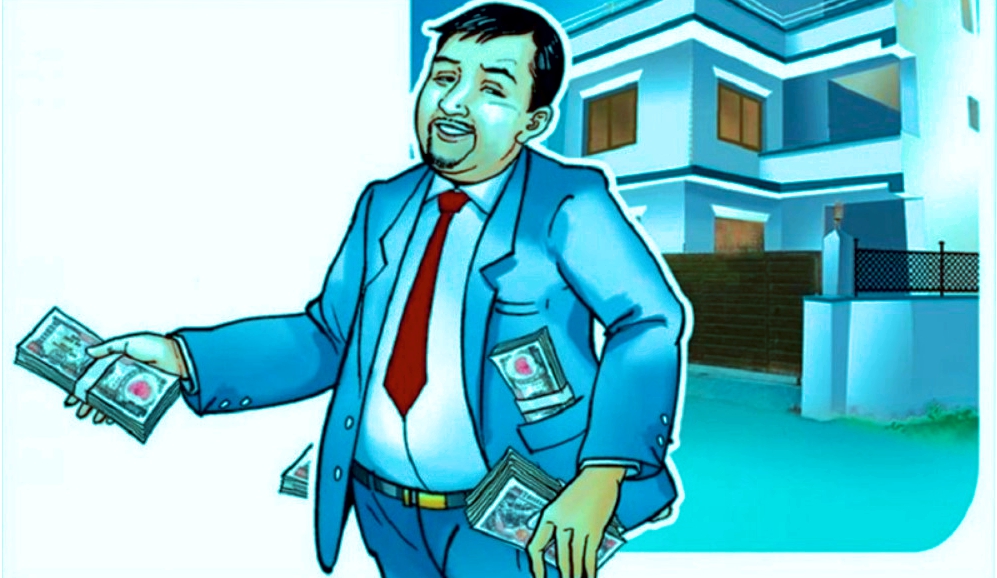
Bhaktapur – The government has fixed the electricity tariff that consumers must pay. The Nepal Electricity Authority charges landlords Rs. 9.40 per unit, but many landlords reportedly charge tenants between Rs. 18 and Rs. 30 per unit, earning a profit from electricity bills. In many cases, landlords also connect their own electricity usage, including water pumps and other electrical equipment, to tenants’ meters, resulting in inflated bills for tenants.
The government has also imposed a five percent tax on electricity, which many landlords are reportedly passing on to tenants. Similarly, while municipalities charge landlords around Rs. 300 per month for garbage collection, some landlords collect the same amount from each rented room. Water charges follow a similar pattern, with landlords charging each tenant amounts that far exceed the actual municipal bill. Internet services costing around Rs. 1,500 per month are often shared among multiple tenants, yet each room is charged separately.
Tenants alsocomplain about being charged excessive amounts for repairs, including taps, doors, and windows. Parking fees can range from Rs. 3,000 for motorcycles to Rs. 6,000 for cars. In many rental houses, tenants are denied access to rooftops, have limited space to dry clothes, and are discouraged from receiving visitors. Some landlords even require tenants to purchase goods only from shops they own.
Finding rental accommodation is especially difficult for Dalits, single women, senior citizens, students, laborers, single youths, and families with children. Landlords often prefer businessmen or government employees. Monthly rent for a single room ranges from Rs. 7,000 to Rs. 30,000, while flats can cost from Rs. 30,000 to several hundred thousand rupees. Commercial shutters are rented for Rs. 20,000 to Rs. 2.4 million, with some requiring six months' rent in advance.
Although landlords are legally required to pay a 10 percent house rent tax on rental income, many allegedly avoid paying taxes and do not provide receipts to tenants. Critics argue that tenants pay significant amounts while the government loses revenue due to tax evasion.
Despite having federal, provincial, and local governments, Nepal still lacks a standardized rental pricing system. As a result, landlords set rents and additional charges at their own discretion. Tenant rights advocates argue that governments should regulate rental fees, ensure tax compliance, and introduce a transparent payment system to protect tenants and improve accountability.
The article also urges the Kathmandu Metropolitan City under Mayor Balen Shah, along with all three levels of government, to establish clear rental regulations, monitor landlords, and create a fair system that protects both tenants and the state's interests.



Related News

Question to the Land Minister: When Will Lease Agreements Granted at Throwaway Prices Be Revoked and Encroached Government Land Be Recovered?
By Rusha Thapa
Bhaktapur: During the tenure of previous governments, a large amount of government land was either registered in the names of private individuals or illegally occupied. Public land, Guthi land, unregistered public land, land e...