
Pesticides in rice eaten by the general public
-
Media Baaji

- Mon, 20 April 2026

Kathmandu. A study report has shown that pesticide residue was found in the rice consumed by the common people. About 83 percent of rice was found to have pesticide residues in the samples collected from different places. These results have come from a survey conducted on 120 commercial farmers of Mayadevi Rural Municipality and an interview conducted with 50 pesticide sellers and rice traders in the district.
The report also examined pesticide residue levels in rice samples collected from Kathmandu, Bhaktapur and Lalitpur. In the test, about 83 percent of the rice was found to contain some kind of pesticide residues, of which about 80 percent of the samples contained two or more types of pesticide residues. It has been mentioned that more and higher amount of residues were found in the samples of Kathmandu than other districts, while such residues were found more in Basmati rice. According to the report, the amount of pesticide residues ranged from 5.09 micrograms per kilogram to 312.54 micrograms per kilogram, while the average was 22.13 micrograms per kilogram.
While tricyclazole, thiamethoxam and tebuconazole are the most commonly found pesticides, the report expressed concern that banned and toxic substances such as aluminum phosphide and chlorpyrifos are still being used. However, the conclusion of the report is that there is no immediate health risk from eating rice with such residues. During the risk assessment, both the hazard quotient and the hazard index are less than 1, so it is said that the risk from consumption is not large in the current situation.
Express


Related News

Vitamin 'A' will be given to 21 lakh children on 17th and 18th of October
Kathmandu. The government is going to give vitamin 'A' capsules to about 21 lakh children across the country on October 17 and 18. During the same period, around two million children will also be given leprosy medicine. The government had postpone...
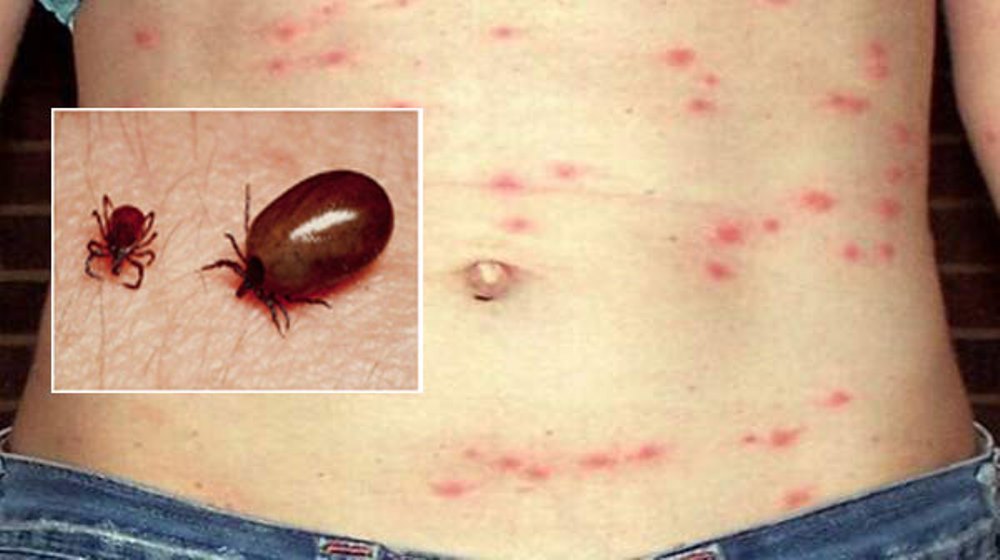
Risk of scrub typhus during summer can be completely cured with timely treatment
Kathmandu. Once any communicable disease spreads, it is very difficult to control it. Once the infection is passed from one person to another, it takes time to bring the situation under control. The infection of scrub typhus, which started from on...

Air pollution is increasing in Kathmandu, urge to be aware
Kathmandu. Air pollution has increased in Kathmandu Valley. The air quality index (AQI) which was 178 on Monday noon has reached 191 by noon today. This level falls under the 'unhealthy for all' category, which can especially affect children, the...

Kathmandu Metropolis conducting 'Sana Doctor Program' in four schools
Kathmandu. Kathmandu Metropolitan City is going to conduct small doctor program in schools to promote healthy health education among children. Sunita Dangol, Acting Head of the Metropolitan Municipality, informed that it will be started through a...

High vigilance to prevent Nipah virus infection
Kathmandu. The government has adopted high vigilance to prevent the Nipah virus infection from West Bengal in India from entering Nepal. Dr. Prakash Budhathoki, the spokesperson of the Ministry of Health and Populatio...

The government Dr. Will have formal communication with Casey today
Kathmandu. Sitting on satyagraha Prof. Dr. Government representatives are going to have a formal dialogue with Govind KC on Aitabara. On Saturday, Secretary of the Ministry of Education and Sports Chunamani Poudel Dr. He said that there was an inf...