
Health Insurance in Nepal: When the Wealthy Benefit, the Poor Are Left Behind
-
Media Baaji

- Thu, 18 June 2026

Rusha Thapa
Bhaktapur, Nepal — Illness has become a common reality in almost every household. Diseases such as gastritis, diabetes, and hypertension are now widespread, while more serious conditions like cancer, kidney disease, heart disease, brain tumors, mental illnesses, and respiratory disorders continue to rise.
The cost of treating these chronic illnesses is extremely high. Those with financial resources can afford treatment, while many poor families are forced to suffer without adequate medical care. To address this inequality, the Government of Nepal introduced the Health Insurance Program in 2017, aiming to ensure access to healthcare for all citizens.
Under the scheme, a family of five could enroll by paying approximately NPR 3,500 and receive health coverage worth up to NPR 500,000 annually. The program was implemented in both public and private hospitals and initially raised hopes among ordinary citizens.
However, over time, the program has drifted away from its original purpose. Instead of primarily benefiting low-income families, it has often been utilized by wealthier households—those with substantial incomes, government jobs, large properties, and even children living and working abroad. For many poor families, even NPR 3,500 is a significant financial burden. Some are unaware of the program altogether, while others simply cannot afford the enrollment fee.
A major flaw in the system is the absence of clear eligibility criteria. The government failed to define who should receive subsidized health insurance and who should not. As a result, resources intended for vulnerable populations have been consumed by those who can already afford healthcare. Consequently, the state treasury has come under immense pressure.
Today, Nepal's health insurance program is facing a severe financial crisis. The government reportedly owes hospitals billions of rupees in unpaid claims. Insurance services have been restricted, and coverage limits have been reduced significantly. Unfortunately, these measures come after years of uncontrolled expenditure.
The situation mirrors a broader challenge in social welfare programs: when benefits are distributed without considering economic status, the intended beneficiaries are often left behind. Many poor families borrowed money to enroll in the insurance scheme, hoping it would protect them during medical emergencies. Now, with services reduced or suspended, they are left with debt and uncertainty.
At the same time, Nepal faces a growing public health crisis driven by unhealthy lifestyles and poor-quality food products. Excessive use of chemicals in food and beverages, weak regulatory enforcement, and the widespread availability of processed foods contribute significantly to rising disease rates. Consumers, businesses, and government authorities all share responsibility for addressing these issues.
The government must strengthen food safety regulations, conduct regular inspections, and impose strict penalties on those who endanger public health. Prevention should be prioritized over treatment. A healthier population would reduce both individual suffering and the financial burden on the healthcare system.
Most importantly, Nepal's health insurance program requires reform. The government should establish clear criteria to ensure that limited public resources are directed toward those who genuinely need assistance. Wealthier citizens are generally capable of paying for their own medical treatment, while poor and vulnerable families often have no alternative.
Health insurance should serve as a safety net for the disadvantaged, not a subsidy for those who are already financially secure. Without proper targeting and accountability, the program risks failing the very people it was created to protect.
Express


Related News
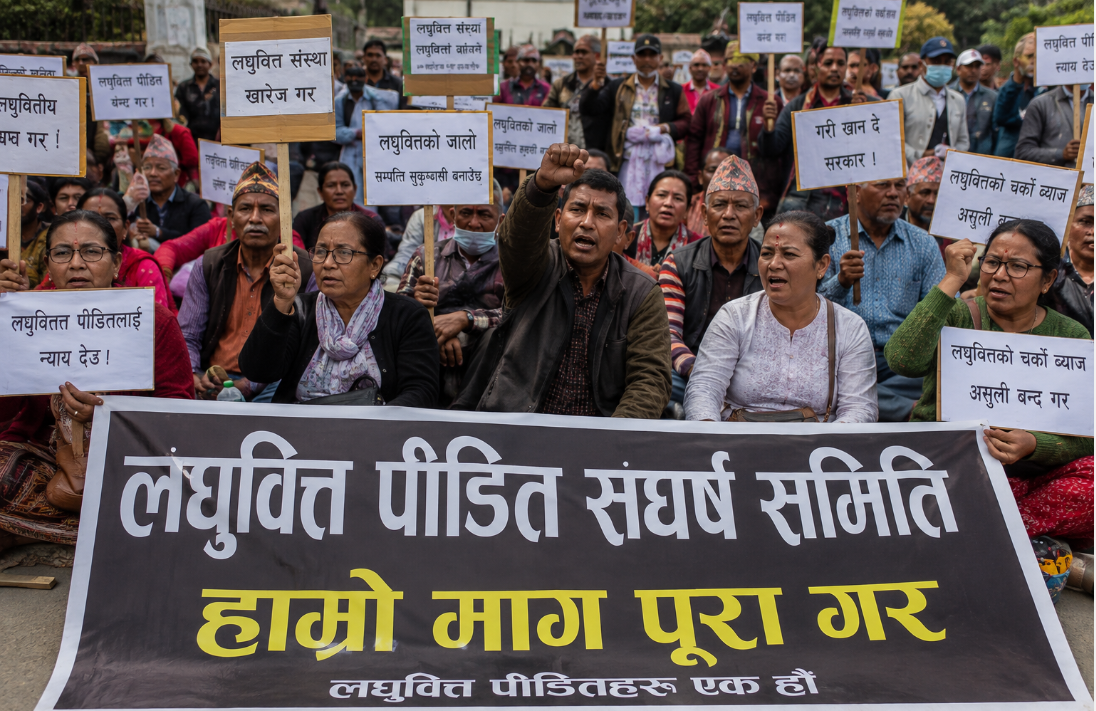
Financial Victims Have Been on the Streets for Months, While the Government Is Focused on Durga Prasai
Rusha Thapa
Bhaktapur. The protest of microfinance victims is still ongoing. For months, they have been staging sit-ins at the National Human Rights Commission and other government bodies, demanding justice. Their suffering has become unbear...

Here is the complete English text without any stars, bullets, highlights, or markdown formatting:

"Politics is a game played by a group of incompetents" - Suresh Acharya (Social Worker)
Kathmandu. Suresh Acharya, who was born in the year 2029 in Dhunibesi Municipality 6 of Dhading District, has been aware of politics since a young age. Being active in various social activities as a teenager, the...

Gold Traders Spread Rumors Prices Will Rise When Selling, But Claim They Have No Money When Buying
By Rusha Thapa
Bhaktapur – On Thursday, August 6 (Shrawan 21), the price of gold in Nepal reached NPR 296,000 per tola, while silver climbed to NPR 4,570 per tola. The Federation responsible for setting precious metal prices determine...
Rent, Water, Electricity, Garbage, and Parking: Landlords Overcharging Tenants as All Three Levels of Government Avoid Setting Fee Standards
Bhaktapur – The government has fixed the electricity tariff that consumers must pay. The Nepal Electricity Authority charges landlords Rs. 9.40 per unit, but many landlords reportedly charge tenants between Rs. 18 and Rs. 30 per unit, earning a pr...
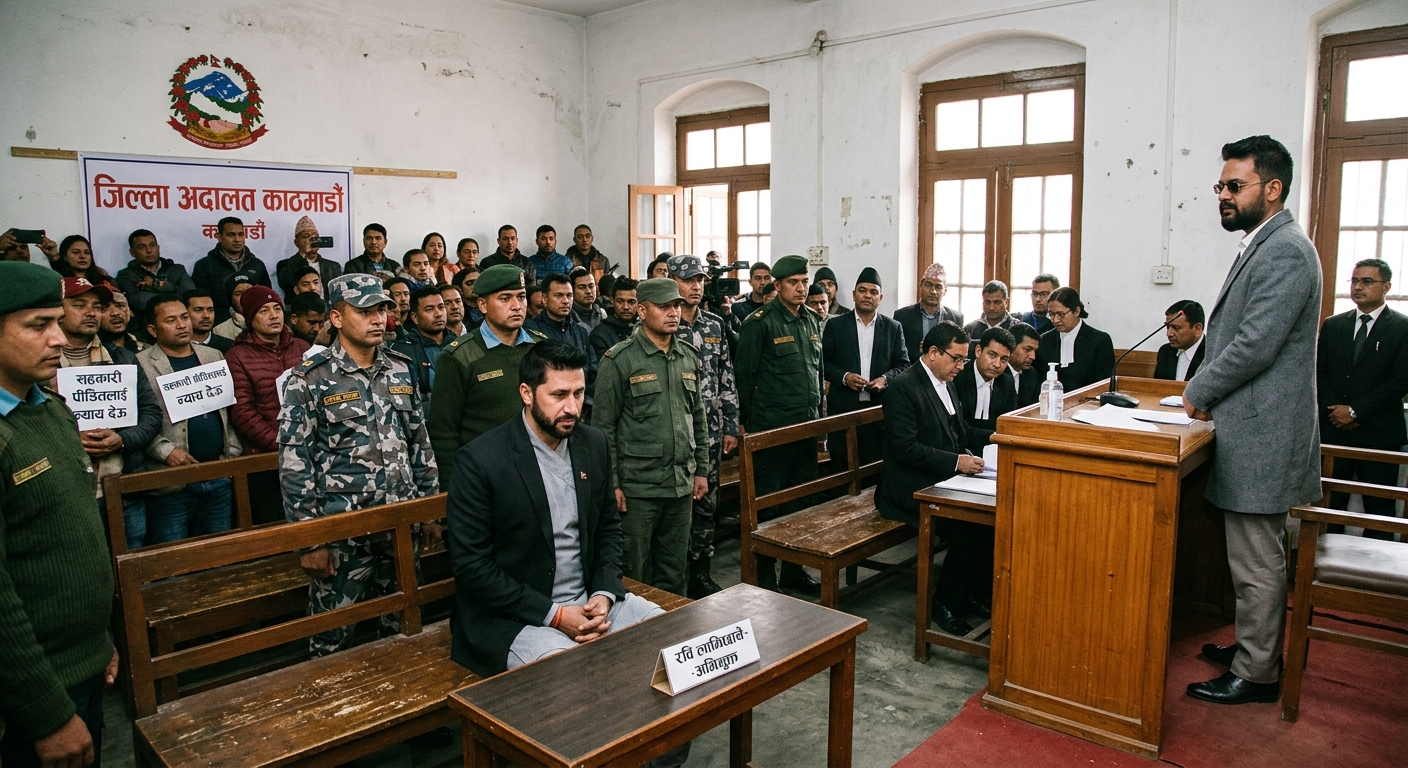
Ravi–Balen: They came to power by opposing the government, but now they are putting their opponents behind bars!
Rusha Thapa
Bhaktapur. It is said that the people we love the most are our parents, who gave us life, and our motherland. However, the number of Nepalis going abroad for employment or education and obtaining permanent residency or gre...