
Concerns about declining agro-biodiversity and increasing food security in rural households
-
Media Baaji

- Fri, 7 November 2025

Kathmandu. "How much will the millet grow this year, mother?"
"Where is the father! It has been two or four years since the seeds were planted."
"The wheat just disappeared! The market seed left one year and does not grow the next year."
Conversations like this are nothing new in Nepali villages. With increasing diseases and epidemics, the awareness that it is necessary to eat corn is increasing, but now corn is not grown to eat corn. From rice to lentils and potatoes, the practice of eating everything boiled is rapidly spreading. It may not be of much interest now, but it has raised a very worrying issue in terms of the future. A generation is growing up that doesn't get the taste of the faraunla of Fafar, the childhood that doesn't run white water from the corner of the mouth after stealing a sesame seed is growing up, and maybe a hole is being prepared to reach its own civilization.
What are the problems?
The biggest problem is that declining agricultural biodiversity is not recognized as a problem in the village. Knowledgeable scholars on this subject are more likely to be found in seminars than the people who do basic agricultural work. It is more inclined towards the stamp that will be printed on the passport than the stamp that you can make yourself. Let's look at the problem in the agricultural biodiversity that is appearing in the national trend of pointing fingers at anything:-
Heavy use of imported seeds
Nowadays, it is found that all the farmers are using it in the main hope of increasing the crop. As before, he has left the necessary seeds in many places to protect himself. Due to this, if something is done next year, only the import of seeds will be stopped, and the consumption of honey may also be stopped. In the seeds he had been saving, the beneficial genetic elements that had been collected over the years were lost. This is a waste of nature's hard work that has been done for years.
Reckless use of pesticides
Along with hybrid seeds, pesticides have also entered the village. Most of the hybrids have been found to be less resistant to diseases and pests than the purebred varieties. While using pesticides to save the crops, friendly organisms, weeds and useful plants are disappearing due to the amount and type of pesticides applied without knowing. Agriculture is not only rice, corn, vegetables, but soil, bacteria, climate, and surrounding vegetation. If we do not protect the entire agricultural environment, biodiversity will disappear, we may face a food crisis.






Related News

Here is the complete English text without any stars, bullets, highlights, or markdown formatting:

Rising Unemployment Leaves More Young People Unmarried, While Pensioned Employees Continue Marrying Even in Old Age
Rusha Thapa
Bhaktapur, In recent times, many young people have chosen not to enter into marriage because of unemployment. Even those who have jobs often do not want to marry because their income is insufficient. Since they find it difficult...


Civil Servants Themselves Causing Loss to the Nation While the Government Remains a Spectator
By Rusha Thapa
Bhaktapur – Around two decades ago, the Transport Management Service Office was established near Sallaghari Threekune Chowk in Bhaktapur. Operating under the Ministry of Transport of Bagmati Province, the office has been funct...
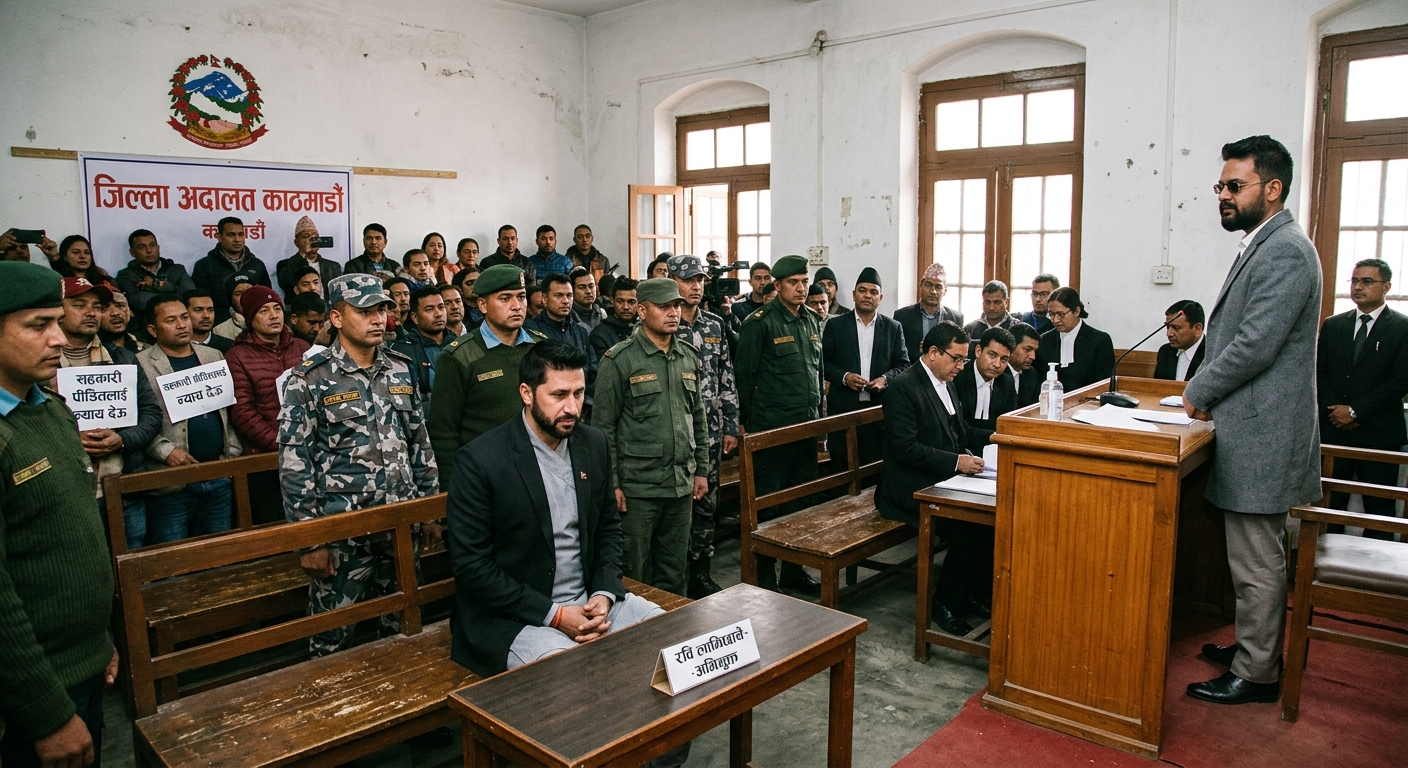
Ravi–Balen: They came to power by opposing the government, but now they are putting their opponents behind bars!
Rusha Thapa
Bhaktapur. It is said that the people we love the most are our parents, who gave us life, and our motherland. However, the number of Nepalis going abroad for employment or education and obtaining permanent residency or gre...

Philosophical path of possessor ! the possession Philosophy !
© Nirmal Puri Bhogi
Mediabaaji.com Kathmandu, November 29. In the general sense, possession philo...